Various artists
Rochdale Music Stories Presents Kenion Street
Reviewed by Levi Tubman
Album released 13th March 26
Manchester is famous for its musical heritage and the legendary bands that emerged from the city. Rochdale, however, is rarely mentioned in the same breath when people talk about great music scenes. Yet one road in the town, Kenion Street, played an important role in that history. It was home to two recording studios, Suite Sixteen and Cargo Studios, where some of the best works of bands such as OMD, Inspiral Carpets, Stone Roses, Happy Mondays, and Joy Division, there some Manchester big hitters there. To celebrate Rochdale’s status as one of Greater Manchester’s Cities of Culture, a group of local artists were invited to record reimagined versions of tracks connected to that Kenion Street legacy.
The album opens with a cover of Joy Division’s Atmosphere. The original is dark, intense and beautifully tense, with Ian Curtis’ voice dripping with anguish. This version leans heavily on the songs vocals, lifting them up, giving them space and reach with almost gospel backing vocals. In sections the backing drowns out the lead, laying bare its influences of the original, twisted on its head to bring happiness to a song that has never known it before. There are moments where vocal lines repeat a little too much for my taste, though that’s largely a personal preference. Within the electronic drum framework the song remains recognisable, but only just. It’s a genuine reworking rather than a straight cover.
Desyfer & Emma Konnanov -cover of the Happy Mondays Twenty Four Hour Party People starts off at a rave, you're right down the front jumping in time to the thumping drums. The original, with its slow groove never felt it lived up to its title, going for a laid back carefree party. This version fully embraces the party concept. It channels the 90s club scene, evoking a 24-hour night in Ibiza or more likely The Hacienda, where chilled sections give way to waves of synths, samples and driving drums. For me, this actually improves on the original
The Chameleons Up The Down Escalator is a classic Madchester indie number, given a rework by Leo HC.
The original is a fun energetic indie classic, with such a distinctive vocal tone there’s no questioning which city this comes from. This time, we get a picked acoustic guitar intro with a little electric lead, it melts away into a beautiful stripped back melody. Gentle vocals come in layered, maybe a little overly in places, with backing vocals, its energy and drive is gone, in its place is a beautiful delicate peace. I wont say this is better than the original, or worse, its too much of a different animal to compare, there’s room in the world for both of these versions.
Having given us a stripped back cover, Medley takes the New Order number Dreams Never End and gives it the full electronic makeover. The original is the classic upbeat happy melody with unmistakable downbeat aching vocals, another number that doesn’t hide where its from. Medleys version, follows the Manchester sound by producing a song that would fit perfectly in the Hacienda. Music and vocals, to a lesser extent, are happy and full of movement, I couldn’t keep still listening to it, you could hear it and not twig that it’s a cover, dating itself 30 years in the past it holds false nostalgia.
The Falls Totally Wired, is a simple song, limited instrumentation with a lot of the vocals more spoken then sung driven by a bassline that takes lead throughout. I expected either another acoustic simple picked number or a full electronic makeover, but instead Jennifer Reid takes the vocal style and runs with it. While the bass has dropped away the drums embody the spirit of the original, ferocious with long tom fills, it still harks back to the originals simplicity just dialled up a few notches. The vocals are at times distorted, almost spat out at the listener, it feels part punk part angst driven spoken word poetry slam. The ferocity of the vocals still ties it back to the original but while one is an old familiar friend, this one might make you cross over the road if you saw it coming towards you.
I’ll admit that on paper I couldn’t see the appeal, local artists doing their oven versions of classic Manchester bands? Surely that’s been done by students in bars across the country? Instead these are creative interesting and most importantly different. They are not covers they are re workings, reimagined by people who know the originals but have their own sounds. Here you have some that, to this listener, are better than the originals, some that are just as good and others that don’t quite make it to the same level, which is to be expected, but made me look into them more. A lot of this album, like most music, is subjective but its different and fresh!
I get the argument that ok this isn’t new music, I hear you there, but it is new music, it might not be new songs but the music is new. Many of these tracks would be barely recognisable without their lyrics. The result is a fresh and inventive album that celebrates a slice of musical history while still sounding creative and modern. It’s unlikely I’ll hear another record quite like this this year, but I’d be happy if I did. Wonderfully different.
Track Listing:
1. Micah Stalgic ft. Local Vocals - “Atmosphere" (Joy Division)
2. K-Estate - "Damaged Goods" (Gang of Four)
3. Desyfer & Emma Konnanov - "Twenty Four Hour Party People" (Happy Mondays)
4. P*STARR - "Keep The Circle Around" (Inspiral Carpets)
5. Leo HC - "Up The Down Escalator" (The Chameleons)
6. PoolEra - “Electricity" (OMD)
7. Medley - Dreams Never End (New Order)
8. Blvckout - "All Night Party" (A Certain Ratio)
9. The Velvet Shadow ft. Maisie Thompson - "All Tomorrow's Parties” (Nico)
10. Jennifer Reid - "Totally Wired" (The Fall)
11. From The Ground Up ft. Bloom Music Community - "Elephant Stone" (The Stone Roses)

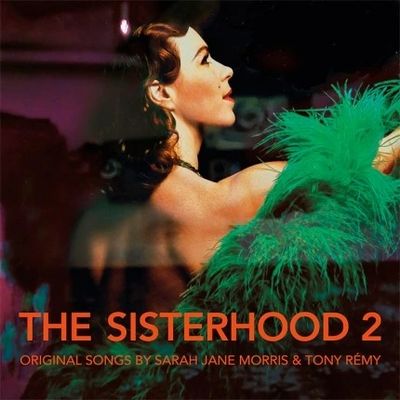
The sisterhood 2
Sarah Jane Morris, Tony Remy
Reviewed by John McEvoy
Album released 6th March 26
There’s a particular kind of confidence that comes from making a “concept record” late in a career: you stop chasing novelty for its own sake and start building worlds that feel inevitable.
The Sisterhood 2 finds Sarah Jane Morris—joined again by guitarist, co-writer and co-producer Tony Rémy—expanding the song-cycle she began in 2024 with The Sisterhood. Released on 6 March 2026, just ahead of International Women’s Day, this second volume offers 11 new originals written as portraits of trailblazing female singer-songwriters: not impersonations, not pastiche, but affectionate character studies shaped by musical fingerprints.
Morris’ voice is the album’s constant—big, grainy, and theatrically precise—while Rémy supplies the changing light. His guitar work slides between steel-string intimacy, jazz-leaning comping and blues bite, often acting like a second narrator. Around them, the arrangements move with relish: keys (including Rhodes and organ) bring warmth and sway, brass pops up to underline the groove, and strings arrive when the story needs lift rather than decoration.
The opening track sets the bar high with “Longing To Be Free (for Peggy Seeger)” and plays like a spirited biographical anthem, its narrative drive nudged along by a rootsy pulse and an insistence that feels earned rather than sloganised. “Oh Mother My Mother (for Sinéad O’Connor)” pivots to a Celtic-tinged elegy, carried by strings that hover like mist; Morris sings with restraint, letting the melody do the heavy emotional lifting.
Then comes “I Can Hear Jesus Weeping (for Tracy Chapman)”, which is a measured, morally alert piece whose folk-soul guitar language nods to Chapman without reducing her to a reference point. The lead single, “The Edge Is Where The Magic Is Found (for Amy Winehouse)”, leans into jazz balladry—spotlighting artistry first, tragedy second, and Morris threads the line with tenderness.
Elsewhere, the portraits broaden the palette. “Love Wit & Stardust (for Dolly Parton)” catches that particular Parton mix of humour, sparkle, moral clarity—without reaching for country clichés. “Always Both And Never (for Joan Baez)” is quietly spacious, built for clear diction and long lines, while “Sweet Mama Raitt (for Bonnie Raitt)” brings a satisfying grit, with slide guitar touches that push the track into after-hours blues-rock. “Let Only Love Remain (for Joan Armatrading)” is one of the album’s most direct statements, its economy of arrangement giving Morris room to land the lyric’s resolve.
Later, “Crazy Angel (for Patti Smith)” adds a wirier edge, and “Also Known As Etta James (for Etta James)” swings with brassy swagger, proving the duo can celebrate power without over-singing it.
It’s fitting that the finale, “The Dignity Of Love (for Janis Ian)”, is an opus with classical guitar and strings lending an almost chamber-like poise, it feels less like a tribute track than a closing argument for the whole project: songwriting as witness, and craft as a form of respect.
The Sisterhood 2 succeeds because it doesn’t treat these women as monuments; it treats them as artists, each with a voice, a conscience and a set of musical decisions.
Morris and Rémy have honoured honour that legacy by making an album that’s thoughtful, richly played, and alive to the idea of influence as something you carry forward, not merely point back to.
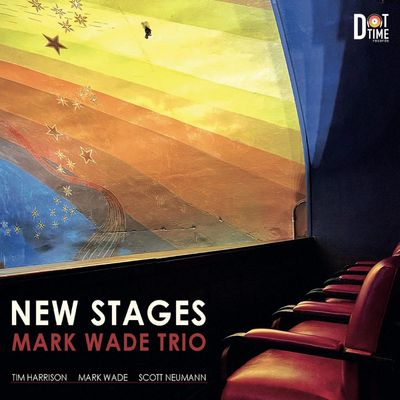
mark wade trio
New Stages
Reviewed by Huw Williams
Album released 27th March 26
From the outset, New Stages feels like an album caught between worlds. Mark Wade and his trio blur the lines between jazz and classical music—and, to be fair, that much is intentional. Wade positions the record as a “meeting point” between his classical background and modern jazz improvisation, even insisting that it “refuses to settle into a tidy label.”
The question is whether that refusal to settle works as a strength, or leaves the album feeling a little unanchored.
It opens convincingly enough with The Good Doctor, which leans firmly into jazz. There’s a lightness of touch to Tim Harrison’s piano, echoing the elegance of Ellis Marsalis, and a gently strolling bass line that gives the piece warmth and direction. It’s relaxed, confident, and, crucially, clear in its identity.
From there, though, the ground begins to shift. Cakewalk - a re-working of Debussy’s piece - shows the more classical phrasing before drifting into jazz improvisation, while The Storm swings the pendulum back towards a more classical sound, underpinned by Wade’s trademark innovative bass. Later, Transition quietly bridges into At Rest via a brief drum-led moment, one of several points where the album feels more like a sequence of ideas than a continuous arc.
Midway through, Iberia Part I & II leans into that hybrid ambition. It’s cinematic, detailed, and technically impressive. It gives Wade the space to deliver a virtuosic bass performance through Part I, before Part II brings back Harrison in upbeat mode along with Scott Neumann’s dynamic beats. There’s a story through this pair of tracks that delivers hazy-feeling heat, much like Morning in Peer Gynt.
Waltz and Variation: opens in a haze of Debussy-like impressionism, moves into waltz territory, then breaks into jazz and drum flourishes that feel almost like a reset.
Elsewhere, Lament introduces a sense of urgency, slightly unsettling, more emotionally direct, while Jesu, drawing on Bach, closes things with a reflective, almost reverent tone. It’s another stylistic shift, handled with care, but again reinforcing the sense of an album moving between identities rather than fully integrating them.
None of this is to question the quality. The musicianship is consistently high, and the trio’s chemistry is evident throughout. They listen, they respond, they shape each piece with understanding and sensitivity. But while the intention to merge classical influence with jazz freedom is clear, it feels a little episodic.
New Stages is undeniably ambitious, and often beautiful. But in trying to be many things at once, it doesn’t always feel like a single, fully articulated statement.
jah wobble & jon klein
Automated Paradise via Dimple Discs
Stepney born and bred bass player/singer John Joseph Wardle - far better known by his stage name of Jah Wobble, was a founding and key member of Public Image Ltd from their inception and throughout their late 1970s/early 1980s hugely influential peak period.
Since moving on from PiL, Wobble has released a staggering 39 albums, not to mention another 35 including collaborations, Invaders of the Heart and live releases - that's quite some strike rate, by anybody's reckoning.
This time around, Wobble is releasing his latest album 'Automated Paradise' with long time collaborator and key live band member Jon Klein, primarily known for his seven years as guitarist with Siouxsie and the Banshees.
Wobble and Klein Initially joined forces to work on and tour 'Metal Box - Rebuilt in Dub' a reworking of the seminal Public Image Limited album 'Metal Box' to great effect. But on this latest album, their third together, they're delivering a whole new collection of songs.
It's an interesting and varied collection of tracks, all produced by Wobble/Klein and and mixed/engineered by Klein.
The opening track washes in as if from a place far away, somewhat ambient - there's definite hints of Bowie on a couple of tracks as well as unsurprisingly a general post-punk feel across the album.
'Automated Paradise' is a well produced, likeable and interesting album, but the quality of songs does vary somewhat in terms of strength. I can't help feeling that perhaps if Wobble was just a little less prolific with his output, that maybe the quality of his albums such as this one might be significantly stronger.
Track listing for Automated Paradise (out on 27 March via Dimple Discs):
Fading Away
Make It Stop
Who Wins?
Read Between The Lines
Automated Paradise
Terminal, Terminal The End
Endless Sky
Brockwell Lido
Jah Wobble will be touring with his band The Invaders of The Heart on the following dates:
APRIL
Thu 02 WIMBORNE MINSTER Tivoli Theatre
Fri 03 TOTNES Barrel House
Sat 04 CARDIFF Clwb Ifor Bach
Fri 10 STOKE ON TRENT Artisan Tap
Sat 11 DARWEN Library Theatre
Sat 25 GWYNEDD Neuadd Ogwen
MAY
Fri 15 CAMBERLEY Login Lounge
Sat 30 LYME REGIS Marine Theatre

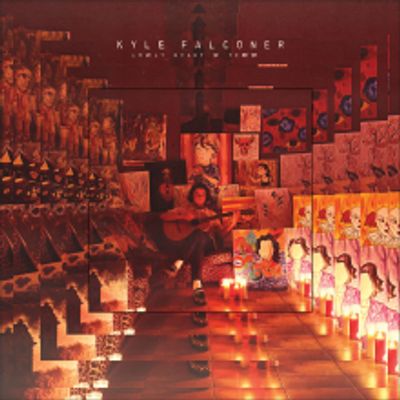
Kyle falconer
Lovely Night Of Terror
Reviewed by Stuart Condie
Album released 27th March 26
Shocking admission for a fellow Scot coming here, but I was only vaguely aware of Kyle Falconer before this new release dropped into my Inbox. Hailing from Dundee, where I spent the formative years of my career, Falconer, as everyone else is presumably aware, is the frontman of The View. With five studio albums behind them, the band announced a short hiatus in 2017 to allow members to pursue other projects.
In fact, the reunion album, Exorcism of Youth, did not emerge until 2023. In the meantime, Falconer chalked up solo releases, No, Thank You in 2018 and No Love Songs for Laura in 2021 with an EP, Almost Pleasant coming out in 2019. In the period since the most recent band release, he also produced The One I love The Most in 2025 and now, this year, Lovely Night of Terror. So, all in all,10 studio albums since 2007. That’s going some, particularly when you start to think about some of his other collaborative work including work with Mark Ronson and more recently writing a musical.
Falconer has made no secret of his influences and if The View is casually labelled as “Indie Rock”, it becomes clear even on an initial listen that there is a healthy respect for The Beatles and later classic acts without that tipping over into parody or pale imitation.
So, what of this new album? For a start, it was recorded written and recorded in Alicante, where Falconer and family have been based since 2024. While Dundee has many things going for it, the climate isn’t one that springs to this reviewer’s mind. Typically though it appears that the move hasn’t resulted in our man sitting back and taking things easy in the sun and his La Sierra Casa studio has become a means for Falconer to work with friends and collaborators as well as encouraging musicians yet to hit the big time. Overall then is this a sun-drenched celebration of things going well? To a point, yes.
I mentioned collaborations and there are some well known guests in evidence here. The lead single, Midas Touchfeatures Peter Doherty of Libertines and Babyshambles renown – more of that below – but you also get Justin Hawkins (The Darkness), Jamie Webster, Lottery Winners and Dave McCabe of The Zutons cropping up.
The album leads off with the title track, a short dreamy vocal sitting over a strummed guitar chord pattern you feel you should know, but I can’t quite place. From there we move into Worlds Away featuring Justin Hawkins. From the off this is upbeat with a big prominent drum sound, police sirens off in the distance and big hooks all the way. The really attention grabbing and positive insistence of the music is totally at odds with the doubts and confusion running through the lyrics. Undoubtedly pessimistic or low mood lines like, “I love you too but I like it when I’m lonely” or “I know the issues I’ve got, I know the problems are plenty, but each night I’m left feeling empty” should probably jar with the pop feel of the song, but it works. No mean feat.
Next up is I'm Lost (You're Dead) featuring Jamie Webster which keeps the driving momentum going from the previous track. It’s all moving along at such a pace that I only noticed some of the adorning guitar and keyboard figures that muscle their way into the mix on the second or third play through. Again we have the contrast of heady pop rhythm and some less than cheerful lyrics. “I’m lost, I’m totally lost, but you never even bothered to come and find me”. I love the way the arrival of the chorus is set up with a mighty drum fill.
Lady Coachella featuring Lottery Winners kicks off (and ends) with a simple synth backdrop (think Soft Cell) before erupting into another huge chorus. It all gets stripped down a bit after a short instrumental passage but before you know it we’re right back into punching the air dancing stuff which deserves to be played a lot if we have even a halfway decent summer this year.
Midas Touch featuring Peter Doherty is the lead single for the album. I have to say that this was the first track on the album where I really even noticed a bass line and, in other environments, you could legitimately call it funky. There’s a generally lighter feel to this track, reminiscent of Wham in places, but with a chord progression that puts me in mind of some of the great 60’s pop songwriters. There’s clever and appealing wordplay on show here too. I happened to like, “I’ve got all the issues, so send me a bunch of tissues” but there are lots to choose from.
Madness featuring Dave McCabe starts off in a slightly more mellow laid-back way than previous tracks with acoustic guitar high in the mix but it’s not long before we’re back in singalong chorus territory complete with a crowd effect “Don’t get me started” to contrast with the very effective solo voices in the verses.
From this point on we lose the advertised collaborations to see the album out with five tracks from Falconer alone.
The first of these is Trace Of Me. Although the longest song on the album, at 4:48 we’re not talking Porcupine Tree here. There’s a noticeably stripped back feel to the production of this song, a definite whiff of Americana and a generally less buoyant attitude on display. Can't Swim (Do It Again) lightens the mood again even if “I’m trying to keep my head ‘cos I can’t swim” is much more about getting through the day rather than getting through 25 metres.
I could see Ego becoming a crowd favourite if only for the chorus which is both memorable and driven along over eight in the bar bass notes creating a real sense of urgency. Martha's Imagination is a story of “a regular debutante” but it’s clear that things just didn’t work out. “I don’t ever want to hear her name again” is pretty definitive but there is still a sense of loss and regret, albeit with a catchy backbeat.
The album bows out with Third Time Lucky which, although a perfectly serviceable slice of mainstream pop and boasting a chord sequence I couldn’t resist playing along to, is the weakest song on the album for my money. I can’t be sure – these things are subjective after all – but I think that’s because it’s the one with the least tension between the music and the lyrical sentiment. I can hardly begrudge the man a straightforward happy love song, but it does feel a little out of place compared to what went before.
It’s very tempting to look at this album, not least because of the running order, as being in two parts; the collaborations and the solo work. I’m not sure it really is that simple. There’s great songwriting craft on show across all of it and some truly uplifting choruses to test the tonsils, not to mention some big helpings of summer sun which are way more Costa Blanca than Tayside. If you are still in possession of such an archaic device, expect to hear some of this on a radio when the sun comes out.
Pet needs
Elbows Out! This Is Capitalism via Xtra Mile Recordings
Reviewed by Chris Morley
Album released 27th March 26
Imagine if you will Hot Chip going metal- you now have the essence of Pet Needs.
Electronic smarts with surprisingly heavy riffs is what greets the uninitiated listener to Hey You Hey You, first single from their latest attempt to craft socially conscious pop punk, centred around a depressingly current trend- the idea of buying a career.
Whether its prescient comment or biting satire will surely become clearer with time, but four albums in its clear that Pet Needs still enjoy playing the game. Why else remain despite the massive gamble they themselves admit is at the heart of an industry which may well break you?
And so runs the thread of conceptual punk- a niche genre perhaps with few entries, but a story well told with enough hooks to keep you interested.

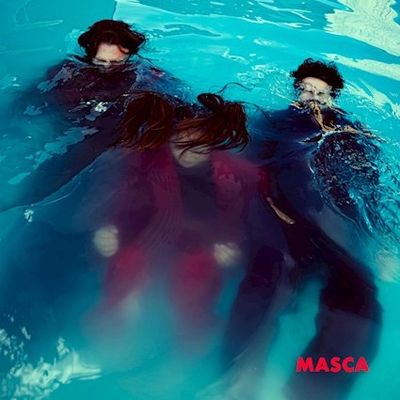
masca
Love Letters
Reviewed by Levi Tubman
Album released 3rd April 26
Like many emerging bands, Bristol trio Masca came together during lockdown, but they’ve hardly taken the easy route since. With Love Letters written while vocalist Christina Maynard was pregnant, the band channels that intensity into a sound that swings between shimmering melodies and explosive riffs. It’s a blend that feels tailor made for listeners who like their music both thoughtful and unpredictable. Sounds just up my street!
Opening the album is Act My Age. With a distinctive guitar tone and processed vocals, the bass has a real head nodding groove to it. The bass stands out, driving the track with a groove that feels more melodic than purely rhythmic, hopefully this continues throughout the album. Picking up at the 2 minute mark, it transforms into a more energetic pop rock number, but with less than a minute to go, its more an extended outro, its interesting and feels different. It also doesn’t feel like its only 2.40, the transformation to the rock outro gives a fictitious length.
The second track, Elevate, is where the album feels to find its footing. Theres nothing wrong with Act My Age, I really like it, but this feels like more of an album opener. A driving alt rock intro fused with catchy riffs. Singing about the pressures of modern life “There's a pressure to sink, and a pressure to fly” and “Just a little more tiktok time to waste” with the bridge ringing out Everyone’s doing just fine, it’s a song that hints not everyone is doing fine despite how it looks.
The title track, Love Letters, is described as “A song for my baby, or to music, or anything that soothes you. A song about waiting for something to come and change everything. A song that’s a love letter to the things in life that make you happy, your loves, with some literal lyrics of paper and pen and cradles, they band really have written a love letter framed with slightly darker gritter music as far as title tracks go it’s a good one!
The stand out track for me has to be Oxytocin. The opioid pain killer known for addiction and overdosing for me is a fantastic name for a song. It doesn’t have to be the drug itself, you can be hooked on a person who might cause the same side effects? With crooning out “sooth me sooth me” asking “Be my Oxytocin” you can find the calming pain relief in so many other places but often tinged with the same darker side. It’s a track that really shows off Christinas vocals, fusing lighter whimsical musical styles with heavier ringing out guitars, I could take an album of this all day long. This could be my song of the year.
Fitting In is another track that shows off Christinas vocal talents, louder soaring vocal sections of “Lonely lovely loneliness” over loud distorted guitars before dropping back down softer over picked guitars with the perfect amount of backing vocals. It screams of influences of Bush and Weezer, while keeping true to the bands own identity. To stop the listener getting too settled into the song the bridge is nothing like the rest of the song, its an ever so slight jarring feeling before it merges back into the song but with an added borderline almost discordant beautiful edge.
DWIW. Lofi distorted guitar intro, with a dirty rattling bassline with the snare pushed high in the mix, it’s a bit of a curveball, not from the same band as the rest of the tracks. It has an anger behind it, with the repeated line “Doing what I want” Like a lot of the album this is the band doing what they want, they don’t conform to any specific genre here. The simulated phone call in the middle with the vocals tinny and thin as if coming from an old rotary, while used many times before, fits in perfectly over the heavier guitar and drums. It doesn’t fit in with the rest of the tracks on the album while managing to fit perfectly in the diversity of the album.
The album moves effortlessly between light, almost whimsical moments and heavier, grunge-tinged passages, all while maintaining a cohesive identity. Masca clearly aren’t interested in following a formula—each track feels distinct, creative, and purposeful.
The biggest compliment? It’s genuinely interesting. Nothing here feels recycled or predictable. This is a band confidently shaping their own sound, using production as a tool rather than a crutch. For me, Love Letters is a strong contender for album of the year and absolutely worth experiencing live, im certainly going to try get myself down there to see them!
SEE MASCA LIVE:
30/05 Southampton - Heartbreaker
05/06 Sheffield - Sidney and Matilda
06/06 Birmingham - Sunflower Lounge
Tracklist:
Act My Age
Elevate
Love Letters
Oxytocin
Cry Baby
Sucker
Fitting In
DWIW
Bones
Diggin'
Old Friend
jim jones allstars
Cat Fight
Reviewed by Dave Flerin
Album released 3rd April 26
This is a great, sneering, middle finger of an album from Jim Jones All stars; their first studio album since 2023’s “Ain’t No Peril”. Featuring the talents of musical luminaries such as Gloria Jones and The Black Crowes’ Chris Robinson, this is best played very loud indeed. And if you like MC5 and The Stooges, this will be your bag.
“Make it Rain” sets the tone early; like a more dangerous 80s Rolling Stones fronted by the MC5’s Rob Tyner, with a big, honking saxophone. And if you told me the music in “Exiled” was by Amy Winehouse’s band, I’d absolutely believe it. The influence of 60s US soul music is writ large all over it. And the further into this album you get, the more you’ll suspect the sax players get paid according to how dirty they make it all sound, such is the level of filthiness they can coax from their horns.
“Going Higher” taps into the spirit of early (i.e. when they were good) Kings of Leon, with lots of feral guitar and some unhinged vocals, segueing into an extended and very full sounding, chaotic (but satisfying) mish-mash of an ending.
Then they go and top that by going all Kinks-y with “Bekolah”, like one of those gems when Ray Davies was at his quirky, mischievous best.
The Tomorrow Never Knows drumbeat is (successfully) rolled out for “Gashman”; a stuttering, jerky little number. Lord knows what he’s alluding to on that and “Drink Me” which follows, but I’ll leave that to your imaginations (answers on a postcard to the usual address please). Both are fine tracks, and one can only imagine what they sound like live. As Jim sounds very much like Arthur Brown on “Drink Me”, maybe he should consider wearing some flaming headgear? Just a thought.
Towards the end of the record the band really embrace their funky side with “Chubby”, a real batty-swinger, if ever there was one; and the standard is maintained right through to the very end. It’s an album bristling with energy; unapologetically rooted in the past, and the complete antithesis of a modern album, but it’s very happy in its own skin and not ashamed to proudly wear its influences.
The band are out on tour in support of this fine record’s release, and I suspect that buying a ticket will be money well spent. “Cat Fight” is out on April 3rd through Silver Arrow Records, and available to buy on CD, limited edition red vinyl and digital download.
prestige
Isthmos
Reviewed by Neil Milner
Album released 24th April 26
The Prestige’s Isthmos is an album that wants to be many things at once, a moody, late‑night confessional; a bruising post‑metal statement; and occasionally, a misfired hardcore tantrum.
That tension, between restraint and aggression, defines the record. At their best, The Prestige sound dark, complex and deliberate, sketching mood rather than merely bludgeoning the listener. Minimalist, shadowy chords give way to something more artistic and considered; at times it feels like Siouxie‑and‑Banshees atmospherics colliding with Killing Joke’s menace. These moments gleam, occasionally even haunt. Unfortunately, they don’t always last.
It opens with the shimmer of “Léthé,” drifting in on an atmosphere that recalls late‑1980s Depeche Mode in its ethereal, layered, chilly beauty. That fragile beginning is one of the record’s clearest triumphs, making it an intriguing start, and when the band lean into texture, space, and subtlety, this album becomes genuinely absorbing.
However, overall, my reaction is mixed. Vocalist Alex Diaz alternates between a standard alternative rock delivery, which works well and allows the songs some emotional reach, and a guttural, hardcore growl that I personally don’t like, never have and never will. When the latter takes over, my attention drifts almost immediately. It’s less about heaviness than texture and more like a stylistic insistence that undermines otherwise compelling songs: the harsh vocals flatten nuance, replacing tension with blunt force.
There are moments of technical artistry. The drummer, Thibaut Cavelier, is a revelation; his shifting patterns and off‑kilter fills don’t merely hold the songs together, they propel them, adding intelligence and momentum where the material needs it most. His playing actively enhances the songs, especially on tracks like Noire Nuit, where uneven pacing mirrors emotional unease rather than mere technical showmanship.
Thematically, Isthmos is relentlessly bleak. It’s an angsty, heavy record suffused with anxiety, inner conflict and an almost total lack of hope, which, depressingly, feels entirely appropriate for the times we’re living in. Tracks like Rose du désert reflect a world caving in, emotionally and socially, and while not everything here lands, the intent is rarely in doubt.
Isthmos is an album of conflicts suggesting an internal tug‑of‑war between restraint and release; beauty versus brutality; artistry versus genre obligation. When it gets that balance right, it’s compelling. When it doesn’t, then it simply washes over me.
Track listing:
1. Léthé
2. Debris
3. Father of None
4. Rose du désert
5. Sunborn
6. Noire Nuit
7. The Ascend
8. Sacrifice

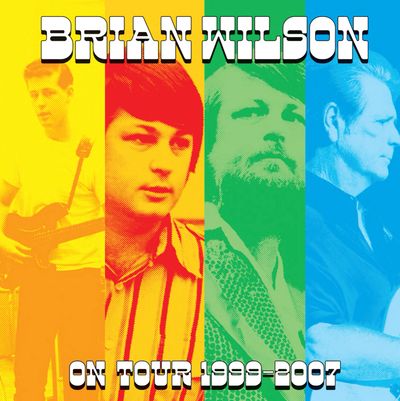
brian wilson
On Tour 1999 - 2007
Reviewed by Andi Bridges
Album released 18th April 26
This collection of songs, an exclusive Record Store Day release for 2026, showcases Brian Wilson at his finest. Not just playing his Beach Boy songs, but also Brian’s ability to interpret others tunes as well. Full credit must also be given to the musicians he has surrounded himself with, which include across the collection - Darian Sahanaja (keyboards, musical director, arranger,- vocals), Jeff Foskett (guitar, vocals), Nick Walusko (guitar, vocals), Probyn Gregory (trumpet, French horn, keyboards, vocals), Scott Bennett (guitar, keyboards, bass, percussion, vocals), Mike D’Amico (drums & percussion), Bob Lizik (bass), Paul Mertens (woodwinds), Jim Hines and Todd Sucherman (drums), Nelson Bragg (percussion & vocals) and Taylor Mills (backing vocals & percussion), plus Andy Paley (keyboards, vocals), Brett Simons (bass),and Gary Griffin (guitar, vocals), along with orchestral contributions from The Stockholm Strings ’n’ Horns.
This collection was recorded over eight years and six different venues. There are none of the famous 60s songs that the casual listener would associate with Brian across this set, instead we get a much deeper dive into his back catalogue. Kicking off with – This Could Be The Night, a Harry Nilsson penned song and the oldest recorded tune on the record, being from Chicago in October 1999. An up-tempo ditty with bass and drums to the fore, However, it is the harmonies that make this really crackle. As you would expect. In fact, if it wasn’t for the audience clapping at the beginning and end it could almost be a studio cut. Kudos to Mark Linett who produced and engineered the record.
Other notable covers include a faithful rendition of Johnny B Goode, showing his roots in 50s Rock n Roll. A tribute to The Beatles – She’s Leaving Home, which underscores his love of Lennon and McCartney’s song craft. He and the band also tackle Dennis Wilson’s – Forever, which gets the reverence it demands.
Track 2, Side 1 – Our Prayer/Gee/Heroes & Villains, is a mini suite from the Smile album. In the seven minutes it lasts, the band throw everything at it. Starting with some Choral harmonies, that morph into some doo-wop, encompassing finger clicking and handclaps. Then we come to Heroes and Villains which in itself is an epic. Brought in by the horn section a very Beach Boy section follows before it slows down for a brief respite. Before once again gathering pace, followed by a piano and voice section. Finally, we go back to the chorus. Rumour has it that these songs appeared fully formed in Brian’s head, if that is true, and music arrangement is credited to Brian in the credits, I can fully appreciate why he suffered from mental health issues as the songs are so complex.
As an aside, I saw him on tour during this period. He played the Glastonbury Legends slot in 2005. All weekend it had lashed it down with rain. It was like the Somme underfoot. When Brian hit the stage, it stopped raining and by the end of his set (when he played 15 minutes of Beach Boy classics) the Sun was out. He absolutely stole the weekend. I’m not saying God is a fan, however……………. draw your own conclusions.
This record comes on multicoloured splattered vinyl. I recommend queuing up outside your independent record store at 5am tomorrow morning to get it, you won’t regret it.
melanie c
Sweat
Reviewed by John McEvoy
Album released 1st May 26
The return of Melanie C with her latest album, ‘Sweat’, released on 01/05/2026, marks a dynamic leap forward in her musical journey, and the Spice Girl delivers a collection that is distinctly her own, blending contemporary pop attitude with a resilience that continues to define her solo career.
Opening track ‘Sweat’, sets the tone with pulsing synths and a contagious rhythm, inviting listeners to step onto the dance floor. It’s a confident statement, immediately establishing the album’s intent: to celebrate movement, and the joy in her music.
This is followed by ‘Drum Machine’ with a strong dance beat, containing retro influences but with a modern production feel. Melanie C’s vocals here are both commanding and playful, underscoring her versatility.
‘What Could Possibly Go Wrong’ is a standout, with its irresistible melody and anthemic choruses, making it one of the album’s most memorable tracks. ‘Til’ It Breaks’ slows things down a little and its atmospheric instrumentation creates a reflective mood, allowing her voice to shine with emotional depth.
‘Pressure’ and ‘Emotional Memory’ are examples of great pop songwriting and again demonstrates Melanie C’s knack for storytelling.
Further into the album ‘Undefeated Champion’ is yet another outstanding track and the soaring chorus and driving instrumentation make it an uplifting highlight. ‘Cashmere’ introduces a softer touch, its lush arrangement and smooth vocals offering a moment of tranquillity amidst the album’s more energetic tracks.
Album closer ‘Flick Of The Wrist’, is a punchy, attitude-filled and fitting finale to an album that covers a wide range of emotions and and musical styles.
Of course there will always be the inevitable references back to her time with the Spice Girls, but with the release of her ninth solo album, this confirmation of her continuing evolution as a quality solo artist, and whether you’re a long-time fan or new to her music, ‘Sweat’ offers something for everyone.
Tracklist:
1.Sweat
2.Drum Machine
3.What Could Possibly Go Wrong
4.Til' It Breaks
5.Pressure
6.Emotional Memory
7.Attitude
8.Good for Nothing
9.Undefeated Champion
10.Cashmere
11.Free to Love
12.One Track Mind
13.Flick of the Wrist

Simone white
Letter To The Last Generation - via Ghost Palace/Cargo
Reviewed by Chris Morley
Album released 1st May 26
Imagine if you will a slightly gothic twist on electronic- period Radiohead & you have the gist of Simone White's attempt to inject hope into a world then ravaged by COVID- now re- released into that same world, fears old & new replacing the pandemic.
Lead single Semaphores is a suitably woozy welcome to a record which presents itself as an attempt to understand an increasingly fractured & divisive landscape while offering glimmers of optimism, cold electronics balanced by warmer acoustic passages, a warning against going too far towards the chillingly mechanical, tools becoming toys.
But luckily there is enough of the human touch present to remind you you're not listening to some kind of artificial intelligence, & maybe that's the point, a live band & tech- resistant release strategy perhaps an act of resistance against an age which doesn't seem to overly value creativity.
“It always felt like a bit of a forgotten album of mine so I was excited when Ghost Palace Records and Cargo offered to re-release it to coincide with my upcoming European / UK tour.
'm committed to supporting small businesses and the types of venues which contribute to the collective soul and authenticity of a thriving live music scene. The CD will only be available at my live shows and at independent records stores (no Amazon).”
So, if you feel like going back to the way things were, a visit to your own local record shop & a listen to this could be a welcome step back, music & those who make it allowed to matter again if only for a little while- but what a while it might be.
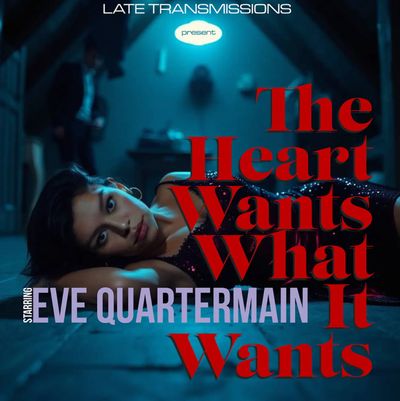
late transmissions feat Eve Quartermain
The Heart Wants What It Wants
Reviewed by Stuart Clarkson
Album released 1st May 26
I’ve been expecting you Ms Quartermain.
Someone should contact Barbara Broccoli and let her know her search for the singer of the next Bond theme is over and her name is Eve Quartermain.
This is the debut album from Late Transmissions , a three piece band which also features two veterans of Liverpool’s post punk scene namely David Balfe and David Hughes of Teardrop Explodes and OMD respectively. Balfe later founded both Zoo Records and Food Records as well as signing Blur and Echo and the Bunnymen amongst others.
Hughes scored a number of TV and film productions including Lock Stock and Two Smoking Barrels and has put his experience to good use here.
On this release Eve Quartemain has delivered a stunning vocal tour de force dripping with sultry sophistication. Combining the best elements of Shirley Bassey,Dusty Springfield, Caro Emerald and Beth Gibbons she provides a smouldering presence. A truly accomplished performance which will undoubtably reap deserved acclaim.
The songs range from smoky jazz club numbers delivered with a divine sensuousness to angst laden trip hoppy torch songs via powerful show stoppers that wouldn’t be out of place in a West End musical.
They all combine to create a heady atmospheric feel to the release which delivers on all fronts.
The impeccable musical backing echoes John Barry and provides a cinematic backdrop which perfectly complements the vocal delivery.
Elsewhere hints of Get Carter and The Persuaders add a 60’s feel to the perfectly observed soundscape on which Ms Quartermain weaves her vocal spell.
The opening track is introduced by some stark dramatic drumming and the lyric ‘This girl’s got a voice that will rip out your heart’ is no idle boast.
The title track starts with immaculately observed 60’s keyboard themes reminiscent of the Get Carter theme or The Persuaders as the powerful theatrical style vocals tell a story of ill advised love affairs.
Lightning Strikes Twice features sexy smoky vocals with a Bond style incidental musical backing.
The film soundtrack feel continues on A Little Drop of Poison and I’m Done With London provides a powerful centrepiece.
The final track ,She Finds Love Wherever She Can provides a fitting conclusion and finds our heroine living in a high rise flat, wishing she was younger, living a life of dull domesticity and longing for better times.
For my money it provides a Difford and Tilbrookesque moment with the line ‘she prays it’s back in fashion but the clips no longer fasten and the mirror shows no compassion ‘ describing taking a long forgotten dress from the closet.
In conclusion the album has a classic soundtrack feel and is more than the sum of its parts as it plays out a multi layered theatrical drama through the songs. Eve Quartermains vocals are perfect for the assignment and I feel we are witnessing the arrival of a future star.
peter gabriel
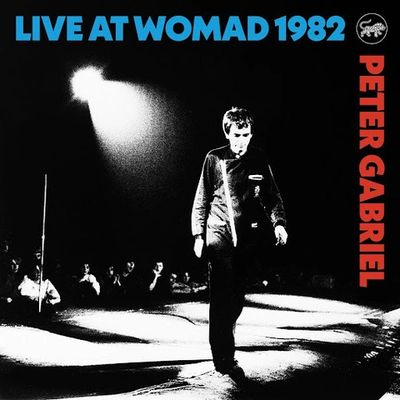
Live At Womad 1982
Reviewed by Chris Morley
Album released 8th May 26
With a new album coming later this year, what better time to revisit Peter Gabriel's sizeable contribution to world music via his efforts through WOMAD?
And in the heady days of the then- new festival, it would've been rude not to go live- peak St Peter of Gabriel cuts like Shock The Monkey taking on an almost primal intensity as he plays with arrangements to suit the space in which he finds himself, finally cut loose from the comparative straitjacket of the end of Genesis.
The sound of freedom the biggest takeaway from a set loaded with deep if retrospectively well known early solo songs.
Whether he's ever had as much fun belting out the likes of I Have The Touch since is surely up for debate, but here is probably the closest he got on his own terms, the sense of control no doubt invigorating in light of the struggles before his moment in the sun minus Phil, Tony & Mike.
reverand and the makers
Is This How Happiness Feels
Reviewed by Andi Bridges
Album released 8th May 26
By my reckoning, this is the eighth album proper by Reverend and the Makers and the first for three years. Across the 13 tracks the themes are as they always are with the Rev, the minutiae of everyday life and the struggles of the ordinary working class. Whether that be relationship breakdowns or life’s general hardships.
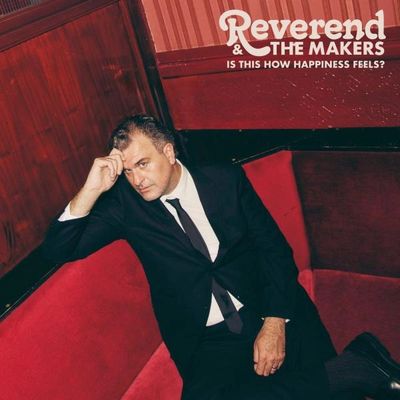
Having played it through once without making notes, what is immediately obvious is how soulful this record is. Not the poor man’s white soul of say Wet Wet Wet but something far more authentic. On the cover John is in a black suit and skinny black tie, relaxing on a sofa in what looks like a chillout room in a nightclub. It’s a great visual clue as to what to expect within the grooves. The production, handled by John McClure and Danny Lafrombe, reminds me of something Mark Ronson might have had his paws on. The Brass is to the fore, guitars twang and the keyboards add tasteful icing. The tempos in the most part are mid-tempo.
The exception to this is opening track, Haircut - an up-tempo number where John shares vocals with well-known actress Vicky McClure (no relation). The premise is how a relationship breaks down as little things get taken for granted. “You got your haircut, I didn’t notice, I’m sorry girl, I’m sorry girl”, The vibe for this one harks back to a cross between their first album and classic Motown, whisper it, but it owes a lot to Valerie by Amy. Drums motor (no pun intended) and brass stabs. This one will fill dancefloors up and down the land.
Vicky isn’t the only guest on the album, Robbie Williams also puts in an appearance and in typical Robbie fashion it’s on a tune called, Fucked Up – an acoustic guitar invites the rest of the band to cut a rug and the result is another slice of dancey indie pop that the Rev is so good doing. The title track, Is This How Happiness Feels – nestles at number seven on the CD and probably the opener on side two of the vinyl. It opens with a guitar riff reminiscent of 80s jazz funk, before morphing into something far cooler when the brass brings in the rest of the instruments. Verses are sparse, just drums and subdued bass and keys whilst choruses are full on.
D Minor – a song about depression lyrically handled in a sensitive way, “Who can I ring if I feel I might be falling, Into the depths of the deepest dark despair, How many times have you seen my number calling, And thought to yourself you really just don’t care?” The use of a Latin tinged arrangement makes it feel so wrong to want to dance to a song about such a subject. Album closer, Twenty Seven Past Midnight – hangs on a Hammond Organ riff and laments lost love that cannot be replaced. “Reminiscing bout the good old days, like a drunken fool, and if heaven had a telephone, then I’d call you too, let you know that I raise my glass to you.”
To quote John “This album has been a labour of love owning to personal reasons but has emerged as a joyous triumph. It’s easily the best thing we’ve ever done and will surprise a few people too.” He would say that, however it’s very difficult to disagree with him. I was both surprised and delighted by this collection.
The hoosiers
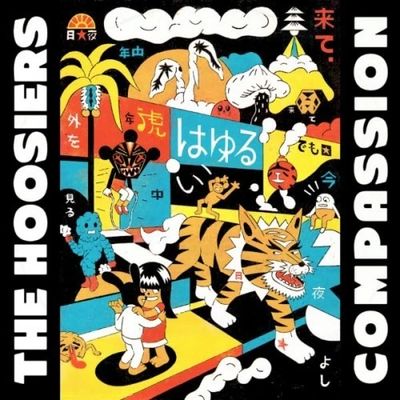
Compassion via Crab Race
Reviewed by John McEvoy
Album released 15th May 26
With the release of their 6th album, The Hoosiers sound like a band that has stopped worrying about chasing past glories and is now focused on making the most generous, open-hearted record they can.
Released on 15 May 2026, this album turns its attention toward empathy, burnout, self-talk and connection, all within a concise 34-minute runtime that rarely outstays its welcome.
What makes Compassion work is its refusal to mistake sincerity for softness. The opening stretch is especially strong: “Multiply” eases the listener in with melodic warmth, “Automatic Glow” has an airy, late-summer brightness, and “So High” brings a sleek disco-pop pulse that gives the album one of its most immediate hooks.
Elsewhere, “Sleeping With The Light On” carries a playful rhythmic poppy bounce, and the title track “Compassion” strips things back for a more reflective moment, asking what it really means to show grace to people we disagree with.
The back half deepens the record’s emotional pull. “Don’t Hang Your Head” and “Permission to Rest” are the clearest statements of intent, offering reassurance without slipping into cliché, while “Everybody Is a Little More Broken Than They Pretend to Be” earns its unwieldy title by becoming one of the album’s most affecting and catchy songs.
There are moments when you feel that the some of the songs feel like sketches that could have used another verse or a bigger bridge, and the closing miniature “The Final Piece of the Puzzle” at 49 seconds feels like more of an outro than a full stop.
Still, those are minor complaints on an album that understands exactly what it wants to say. In a pop landscape often driven by irony and algorithm, Compassion stands out by being direct, tuneful and emotionally literate.
It may not have the brash immediacy of the band’s early breakthrough material, but it offers something more durable: a collection of smart, catchy songs that argue for kindness which is surely a good thing given then state of the world now.
In short, The Hoosiers have delivered one of their most appealing records in years.
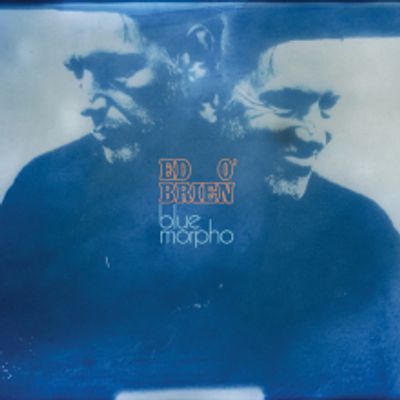
Ed O'Brien
Blue Morpho via Transgressive
Reviewed by Levi Tubman
Album released 22nd May 26
Ed O’Brien is more well known for his work as a guitarist for Radiohead, a band with more than its fair share of hit albums. While this isn’t his first solo effort, a follow up to 2020’s Earth, but when your name is on OK Computer, an album often up there with the greatest records ever, some people are going to have some big expectations, but this is an album that should be seen in its own light.
Opening up the album is Incantations, clocking in at pushing 8 minutes, it’s not the longest song on here. Picked guitar, with a few accented notes, with sounds building in the background, building slowly as the vocals join in. It picks up a little pace and melodic brightness as it moves into the chorus where its joined by percussion simple at first, with the rhythm layering up, with what sounds like a Dholak, it gives it an south Asian feel, with a few bent and slid guitar notes bordering on microtones. It’s a symphonic beast, growing, then fading back slightly before coming back, often with something new like a distant gong, you're almost brought out of where the songs sent you by its more traditional western outro, but only almost, it’s a beautifully complex soundscape that does need more than one listen.
Following up with the title track, Blue Morpho, we get a gentle intro of bird song, light fresh and real enough to draw the attention of any nearby cats. Vocals pushed back into the mix, this time orchestrally focused, you can hear its connection to Incantations, taking some of its core but building in a new way. While there are lyrics, its mostly instrumental, and like a lot of the album I found my eyes closing, leaning back and letting it flow over me. Ed has managed to create something that’s new to me, I’ve not heard this before, but it feels familiar and welcoming.
While I am listening to this album as its own creation and separating it from previous work, you can’t help but hear a few influences and small parts that do bring you back to Radiohead. After 40+ years, it’s to be expected, it doesn’t sound like any of their albums, but the signs are there if you listen.
The pace of Teachers comes as a bit of a shock, taking you back with its funky rhythm, an album already bordering on psychedelic, sees Ed’s vocals spinning around the sound space, dipping in and out with layered effects. All the while sounds come and go, breaking for a gorgeous bassline, before starting to fall apart for the outro, faster chaotic sounds culminate in Ed’s magic mushroom introspective.
Coming in at 2:20, Thin Places is a synth tweaked masterpiece. The main drone subtly slides about as if seeking the correct note, while little chords and notes come and go around guiding like tugs against an ocean liner. Why a masterpiece with such little instrumentation and short running time? Because it works, there’s hardly enough time to do a lot from the mind that brought us the upcoming 9-minute Obrigado, and yet with such simple instrumentation we have something that not only fits with the rest of the album, but is one of my favourite tracks.
Onto Obrigado, just shy of 10 minutes, in which you could fit the last 3 chart number ones, a place you're not likely to find this track. Retaining the essence of the album it feels more grown up, mixing up retro sounds with the sounds of driving through Neo Tokyo. As the music and vocals fade to a slight atmospheric backing, the song is ending naturally where it should, before bringing it back in a wide electronic wash, spotting with heavily processed guitar riffs and slow drums. As a distant voice joins the mix, the lead and bass build its as close as the album gets to a traditional song before they’re flung away into the ether, leaving the album and listener with the remnants fading into the distance.
This is an album that’s hard to categorise, blending aspects of soundscapes, rock, funk, electronica, ambient, lo-fi Hip-Hop. Apart from sections where it feels creatively needed it’s not over busy or complex. Ed has talked about his mental state over the past few years “I spiraled down and found myself in this dark place, this deep depression” and how his therapy was locking himself away everyday practising his guitar, which over time produced ideas and melodies. You can hear and feel the darkness, at times its almost gripping but in so many sections you can feel and hear the escape and brightness coming back, with Obrigado being the final release after chaos.
Listening on headphones reveals layers and tiny details that can easily be missed through speakers; while playing it aloud gives the album a more physical, in your face presence. Even after hearing it both ways, there still doesn’t seem to be a definitive way of experiencing it. Either way, this feels like an album worth returning to for a long time.
Tracklist:
1.Incantations
2.Blue Morpho
3.Sweet Spot
4.Teachers
5.Solfeggio
6.Thin Places
7.Obrigado
yova
Attractive Forces - via Quartetone, Right Track records
Reviewed by Neil Milner
Album released 22nd May 26
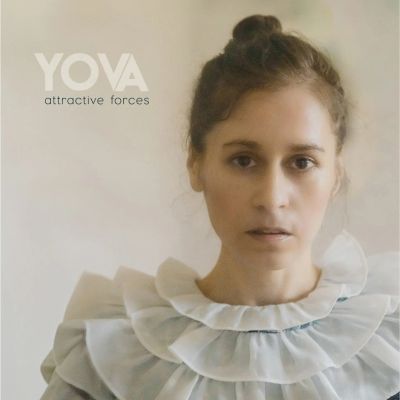
YOVA’s third album, Attractive Forces, arrives with the kind of pedigree that should, on paper, make it irresistible: Portishead‑adjacent mixing, a small army of art‑pop collaborators, analogue curiosities strewn across the arrangements, and a duo who proudly resist genre labels. And yet, listening to it, I found myself in that awkward emotional space between admiration and a faint, persistent sigh.
Part of this is my own fault. I saw a photo of them and immediately projected an Agnes Obel‑esque world of European avant‑pop austerity — shadowy pianos, spectral strings, the sort of poised emotional detachment that feels like it’s been imported directly from a Nordic forest. What YOVA offer instead is a different kind of detachment: gentler, earnest, and quietly vulnerable, but not always emotionally gripping.
There is vulnerability here — Macedonian born Jova Radevska’s voice often sounds as though it’s carrying something fragile, and the press notes emphasise that balance of “vulnerability and strength.” But compared with someone like Berntholer’s Drita Kotaji, whose cool, distilled delivery could freeze a room at twenty paces, Radevska feels more tentative, more searching. It’s a positive detachment, but not always a commanding one.
The album’s biggest misstep is, unfortunately, its longest track: a cover of Velvet Underground’s “Pale Blue Eyes” that feels unnecessary and oddly flat. It’s not bad, just… why? When the original already perfected understatement, offering a slightly more understated version doesn’t add much.
Elsewhere, the record flickers with promise. “Sunday Afternoon” is genuinely beautiful — one of those songs where their cinematic instincts finally align with emotional clarity. “Just an Illusion” has a discernible, pleasant tune that lingers longer than expected. And the album closer, “Fire Under the Stars, (Ogan Pod Zvezdite)” adapted from Macedonian group Memorija, is the confident, widescreen finale the rest of the album keeps hinting at but rarely reaches. It’s the one moment where the “sonic adventurers” tag feels fully earned.
But much of Attractive Forces feels insubstantial, as though the duo are circling something powerful without quite seizing it. The textures are there, the collaborators are there, the ambition is there — yet the magic only arrives in flashes. It’s a grower, certainly, but one that never fully blooms.
Still, I want them to succeed. There’s real potential in their atmospheric, genre‑blurring world. If they can find the emotional core that their influences and their best moments suggest, their future records could pull everything into alignment and beautifully blossom.
Track listing:
- Ebb Tide
- Won’t Take Your Bullets
- Pale Blue Eyes
- Sunday Afternoon
- The Crime’s Not Mine
- Ballad Of The Paper Tiger
- Affection
- Just an Illusion
- Fire Under The Stars (Ogan Pod Zvezdite)
dirt flirt
Scorpio Fever (EP) - via Final Girl Records
Reviewed by James Fortune-Clubb
EP released 22nd May 26
Dirt Flirt is essentially the solo project of London-based multi-instrumentalist Kit Eaton-Kent. This new collection comprises five tracks reportedly alt-pop emo darkly focussing on obsession and devotion.
An intriguing description which sadly doesn't fulfil on any of these fronts - there might well be hints of sub Billie Eilish and perhaps latter day Justin Bieber, but there's really nothing here for either the curious emo or devotee of alt-pop.
This is way more 90s electro dance pop (if it needs a label) overlaid with contemporary production values, which in itself of course is not necessarily a bad thing. The problem here is that whilst there's nothing intrinsically bad or wrong with this five set collection from Dirt Flirt - it's produced and played proficiently enough and some of the music has initially interesting elements to it, but...it's just so overwhelmingly generic - from the beats, the changes in tempo, the all too familiar consciously over auto tuned vocals, the song structures themselves, need I go on?
Very disappointingly there's little of interest here, other than a swift descent into the generic swamp of uninspired electro dance pop, desperately wanting to be something way more interesting.
Track Listing:
don't tell anyone
play pretend
focus on u
honest
high horse
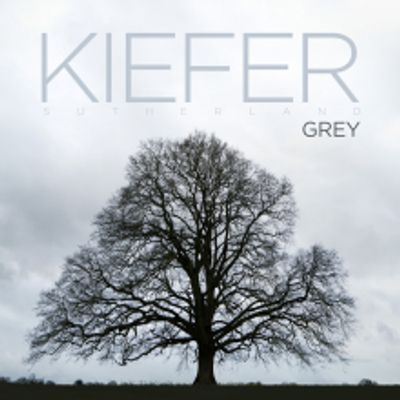
kiefer sutherland
Grey
Reviewed by Stuart Condie
Album released 29th May 26
I must admit to having approached this review with some trepidation. I mean, it’s not reasonable for people who are very successful in one sphere of activity to expect similar levels of success in another. Make no mistake, I’m a fan… of Kiefer Sutherland’s acting. I loved The Lost Boys, watched all the series of 24 (remember that ringtone?), stuck with Touch and made it most of the way through Designated Survivor. I even think it’s a bit of a shame that Rabbit Hole didn’t get picked up for a second series.
Music though? Well, it turns out that Grey is his fourth album release. Down In A Hole (2016), Reckless & Me (2019) and Bloor Street (2022) have gone before, with the last two finding their way into the UK top 20. Sadly, they all passed me by which means I can’t say whether Grey represents a departure from the style or quality of any of them. What I can say is that every track on this album (with one possible exception) fits solidly into a single genre, with a pretty consistent tone and musical palette. At the significant risk of inventing a new category, I think this could be fairly tagged as Country Miserabilism. Twangy slide guitars? Yes, in abundance. Tinkling bar-room piano? Check. Songs about drinking and how nostalgia ain’t what it used to be? Oh yes. Party album? Definitely not.
The vibe settles in pretty quickly with Come Back Down, a tale of regret for lost love and opportunity set to a shuffling waltz time. American Farmer visits territory previously explored by Springsteen, setting out the woes of the American working man who is “tired of being tired of being tired of being worked to the bone”. The despair of knowing no other trade than farming but knowing there’s no financial salvation to hold out for is genuinely affecting, if hardly cheerful.
Goodbye California is the probable first single and it certainly has a bit more of a bounce about it. Again though, it’s about looking backwards at something which hasn’t really worked out. He’s “heading back to where I belong” but leaving friends in his “fair-weather home”. It’s portrayed as inevitable that he had to leave but we really don’t get to know why. There’s no obvious anger about leaving things behind. It feels resigned instead. Simpler Time has more of an obvious longing for lost youth, first love and all that came with them. If there’s a distinct feel of rose-tinted spectacles about it, there is also, “no damned reason why there can’t be a simpler time for you and me”. Hah; we’re looking forward too!
Starlight takes the pace back down as we visit a favourite, memory-soaked drinking den. There may be a jukebox where “she was gently swaying to her favourite tune” and regulars to talk to but ultimately it comes down to buying “another round to kill the pain”. Cruel World with its chorus of “Goodbye, goodbye, goodbye” may well be adopted as a theme tune by Exit. This one should come with a warning to keep sharp objects at a distance.
Down Below has an initially sparse feel, a distant church bell over long chords, an unfussy guitar pattern and then single sustained guitar notes punctuating the vocals. But gradually you realise that there’s an insistent steady drum pattern driving the song along. Bit by bit the single notes become power chords, the gaps between the guitar stabs are filled with detail and the vocal has an angry edge. By minute three we’ve got a descending chord theme sitting behind and adding a really unsettling edge to proceedings before we fade to a single very long note. This is the track of the album for me. It’s also the longest, although at 5.07 we’re not talking Rush here.
Third Time’s A Charm carries over some of the mood from the previous track and there’s a rising keyboard (or sometimes vibraphone?) figure which, although jarring, enhances this tale of another lost love. The Bottle Let Me Down features some great lines. “I’ve always had a bottle I could turn to and lately I’ve been turning every day”particularly appealed to me, but this is no celebration of drinking for its own sake but rather as a means of blotting out other things or people. “Couldn’t drink enough to keep you off my mind”. I’d love to believe that the slightly odd female backing vocals which harmonise and then take over the chorus were meant to represent some ghostly drunk imaginings but the truth is they’ve sat in the background of a few of these tracks.
They’re right there at the start of Rage In Me. This is Kiefer cutting up angry and bemoaning his fate (while threatening violence, to boot). This is certainly the most up tempo of the tracks on Grey and there’s an attitude and edge to the vocals which is absent elsewhere. I played this track through a dozen times trying to think what it reminded me of before the penny dropped. Think House of the Rising Sun and you’ll be in the right sort of ballpark.
The album rounds out with a different, fuller and longer version of Simpler Time. I think I prefer this version. It just feels more relaxed
Kiefer is clearly sufficiently famous not to need to put his surname on the front of the album and I’ve no doubt it will sell well enough. With the honourable exception of Gram Parsons, I’ve never really managed to engage with country music or artistes. As a result, I lack the ability to find comparators within the genre. Equally I know insufficient about Kiefer’s offscreen life to know how much of Grey reflects his own experiences and how much is invented narrative. I would certainly hope that his success has made him a little happier than this collection suggests.
Grey – teetering pretty close to black in places – is not the most innovative or original album you’ll hear this year, but there’s no doubting the sincerity.
If he wasn’t a superstar already, would this be the set to get him there? Probably not.